
Temple Beautification Campaign — 2026
Goal: $130,000
Raised so far: $108,000

Help beautify and preserve for this sacred space, to serve many more people in the years to come.
What your donation will help make happen
Temple: Exterior Paint
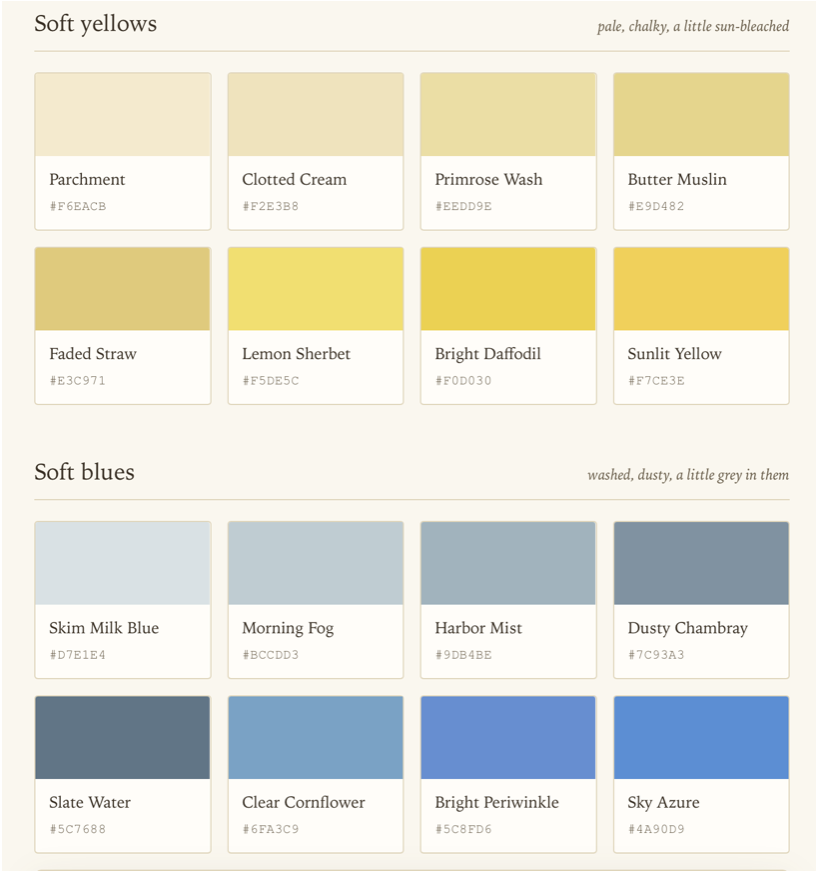
Stucco
Painted stucco typically needs repainting every 10 years to maintain maximum protection from weather and moisture damage. Aging concerns include fading, peeling or blistering paint, new cracks, efflorescence, and water stains.
Our exterior paint is now 30 years old...
…and showing signs of wear — hairline cracks and peeling — signaling that the stucco’s protective layer has reached the end of its effectiveness. New paint, patching, and priming will seal our stucco, and give it many more years of life and service.
Color is Vibration
A new coat of paint can be an opportunity to share higher vibrations of consciousness. Here are some of the questions we are asking:
Can our Temple’s exterior color palette more clearly reflect the vibration of Master’s teachings?
What colors will speak to Dwapara devotees who are meant to find this path?
How can our Temple’s exterior beautify the neighborhood and uplift all who pass by?
Wood Refinishing
What It Is
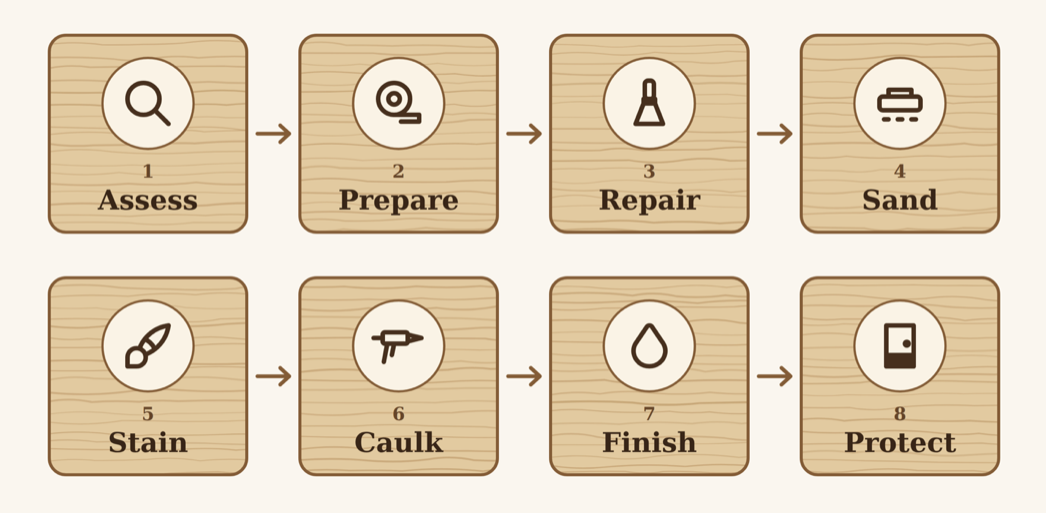
Wood refinishing is careful, hands-on work: each door and frame is inspected, repaired, and sanded by hand before stain is applied. The finish is then built up in thin, even coats so it protects the wood while bringing out its natural grain and warmth.
Why It Matters
Exterior wood needs regular maintenance to protect it from exposure to moisture, sun and everyday use.
Our Temple’s wood doors and window frames are showing signs of wear, including water damage, fading, cracking, opening gaps, and dry rot.
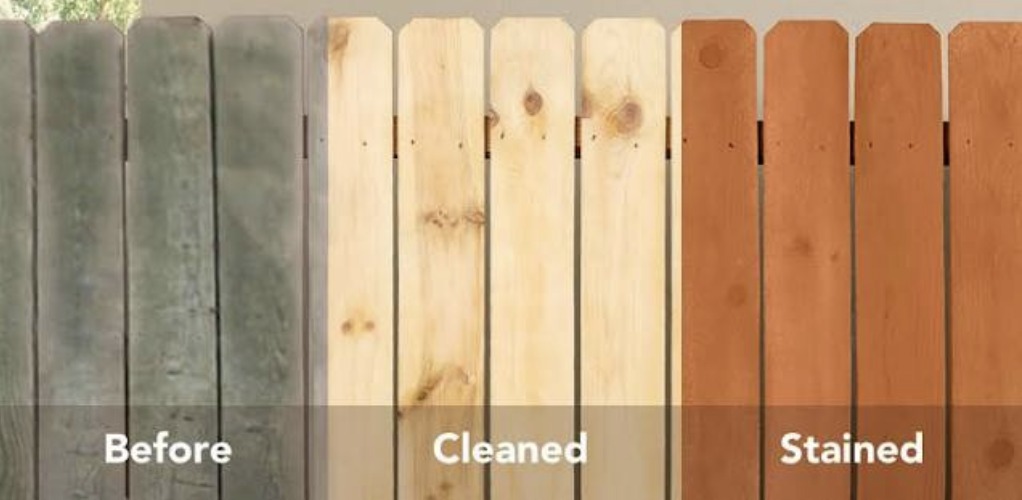
Refinishing will repair this damage, reseal the wood, and preserve the quality of the Temple’s original wood elements for years to come.
As a final step, new kick plates will be installed at the base of the doors, protecting their most vulnerable areas, and adding strength and integrity to the doors’ structure for many years to come.
You May Have Noticed
...that wood refinishing is underway! The Piazza gates, Yoga Center doors on both sides, Temple doors and window frames, and the yoga corridor ceiling are all receiving care, and will soon be completed. Take a look now, and create your own “before and after” experience of these important upgrades.
Fiberglass Details
Beauty and Inspiration
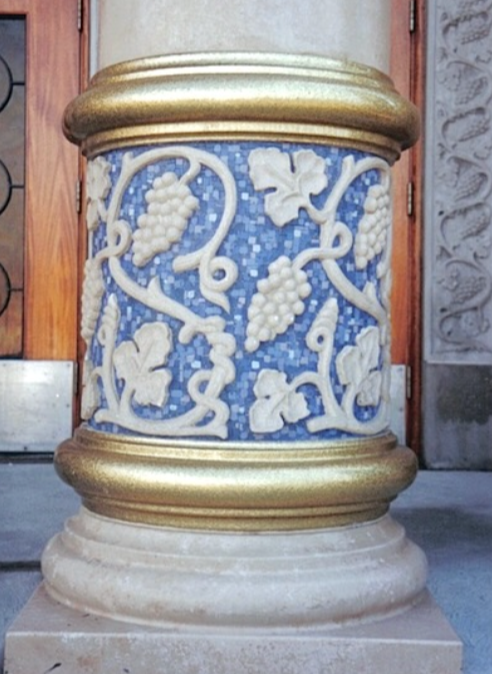
The giant golden lotus shapes that Paramhansa Yogananda used to decorate his spiritual centers have inspired devotees for decades. They have inspired us as well with an evolving new vision for our Temple’s exterior as one that reflects beauty, refinement, and uplifted consciousness. Architectural fiberglass is a material that can help this vision become a physical reality.
What is Architectural Fiberglass?
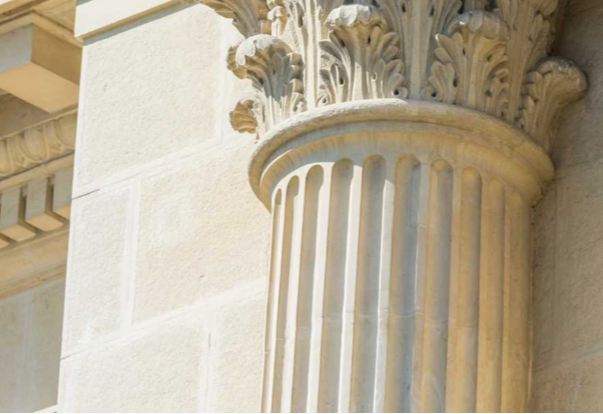
Architectural fiberglass is also known as fiberglass-reinforced plastic, or FRP. It can be molded into building components that were traditionally made of wood, stone, plaster or metal. It’s made by layering glass fibers with a polyester or epoxy resin, which is then poured into a mold to reproduce domes, columns, and ornate trim, among other shapes.
A Practical Solution
Architectural fiberglass is lightweight, can be installed by hand, and does not rot, warp or absorb water. It is an inexpensive way to add architectural interest and beauty to a structure.
Roofing: What is a Rake Tile?
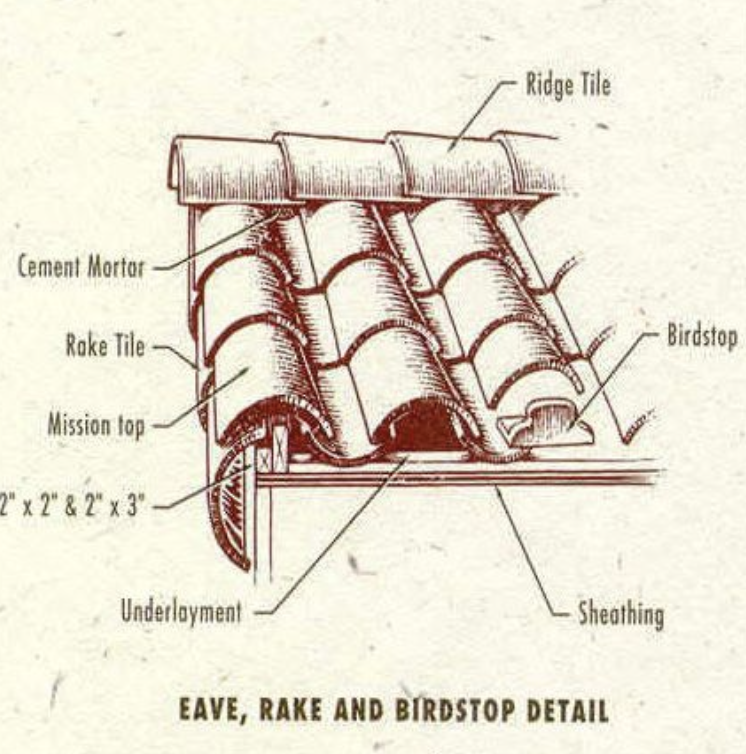
Rake tiles are specialized roof tiles installed along the sloped outer edges of a roof, known as the rake. They cover and protect the exposed edges of the roof structure from rain, wind, and sun. In addition to preventing moisture damage to the underlying wood and roofing materials, rake tiles create a clean, finished appearance along the roofline. Properly maintained rake tiles can help extend the life of both the roof and the surrounding trim.
Preserving the Wood Trim
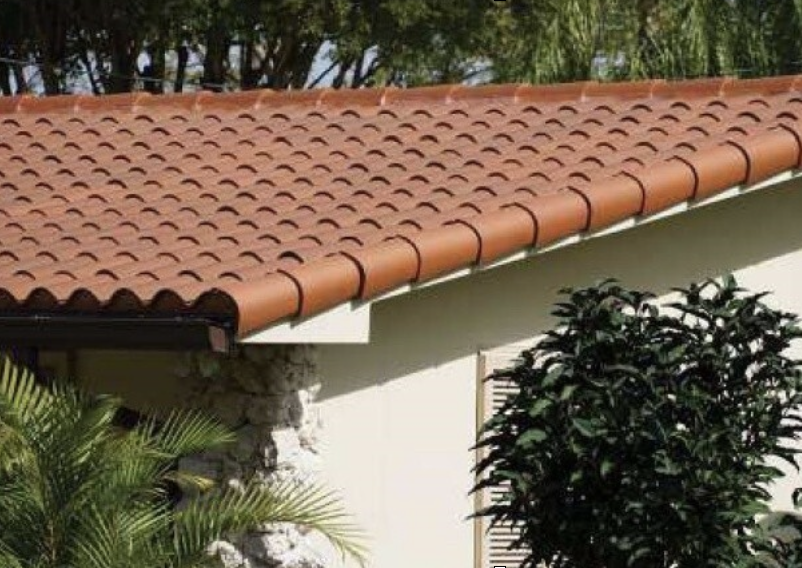
Rake tiles direct water away from exposed roof edges, helping protect the wood beneath from moisture and deterioration.
Preserving the Temple’s Character
Rake tiles create a finished roofline, helping maintain the beauty and architectural character of our historic temple.
Bell Tower
Improving Drainage
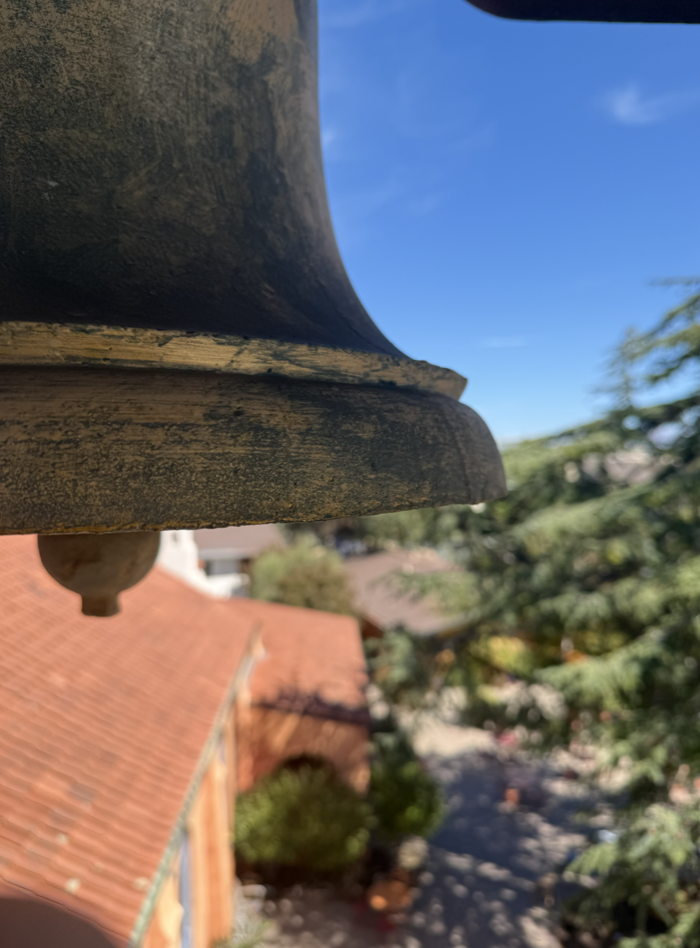
The bell tower’s gutter system needs to be cleaned and modified so water can drain properly. Preventing trapped water will help protect the interior of the tower from ongoing moisture damage.
Renewing the Flooring
The bell tower flooring will also be replaced as part of the restoration. While this is not a structural concern, new flooring will support the long-term health and preservation of the space.
Protecting for the Future
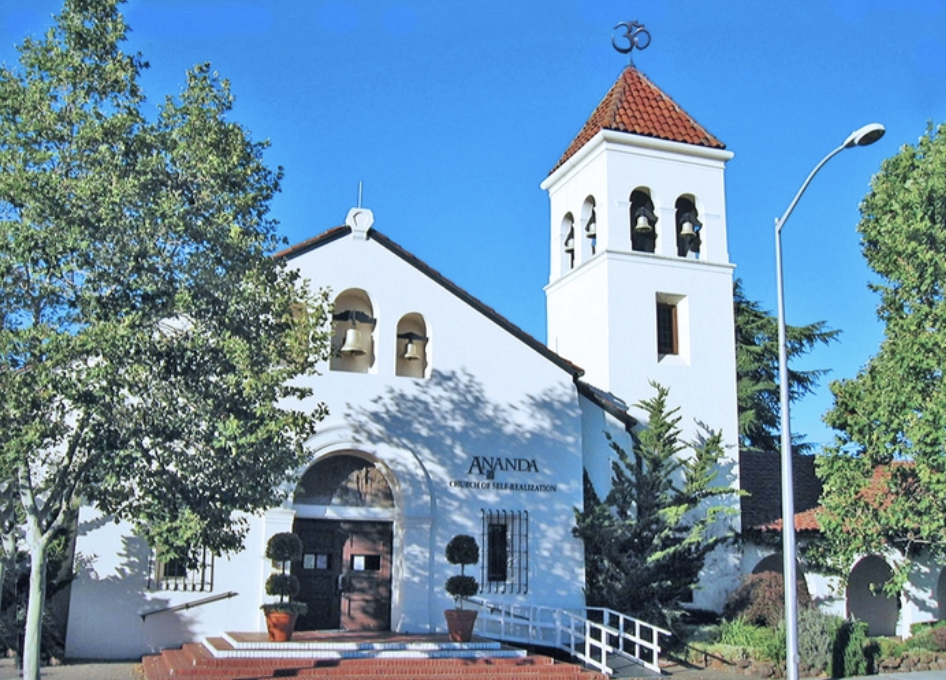
Much of this work is preventative—addressing small vulnerabilities before they become larger problems. These improvements will help preserve the bell tower for years to come.
It’s rare to see a working bell tower in buildings today. This architectural jewel is ours to steward and preserve. It provides visual (and aural!) beauty for us, and is an iconic landmark for the many thousands of people who pass by each day on El Camino Real.
Scaffolding
Reaching the Highest Areas
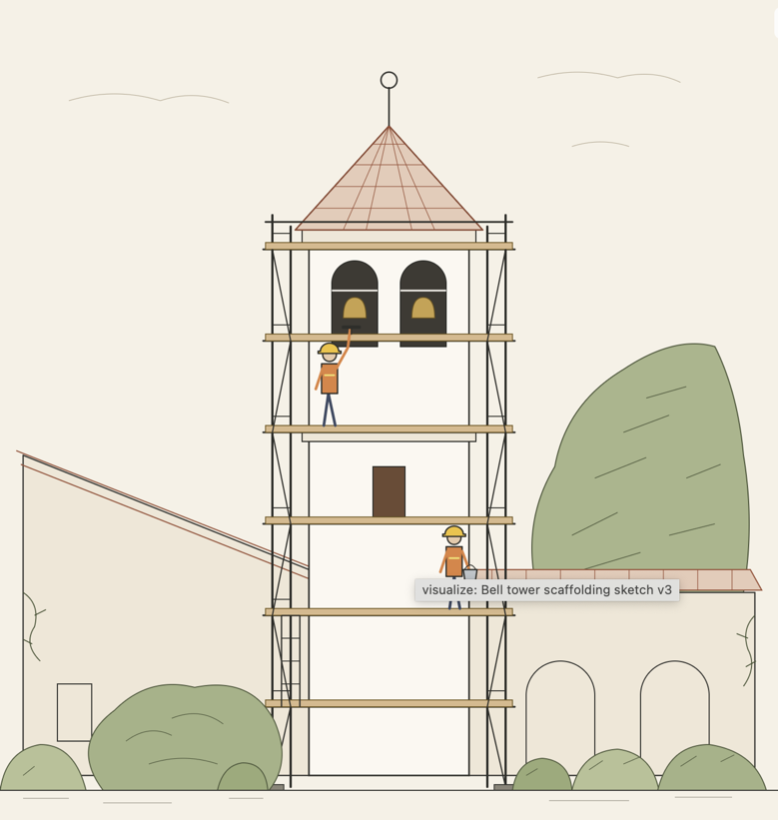
Scaffolding provides safe access to the bell tower, roofline, and other areas of the temple that cannot otherwise be reached. It allows roofers, painters, and contractors to complete this specialized work safely and thoroughly.
Careful Coordination
Because several contractors need access to the same high areas, the scaffolding schedule requires careful planning. Coordinating the work allows multiple projects to be completed while the scaffolding is in place.
Doing It Once
Scaffolding is a significant expense and a major undertaking to install. By completing all necessary high-level work at the same time, we can avoid the cost and disruption of putting it up again in the near future.